From the Studio

Design thinking, project stories, and practical tips from Greys Design Hub.

Designing a Wellness-Focused Med Spa
Wellness · Journal Apr 12, 2026 · 6 min read

Designing a Wellness-Focused Med Spa

How we approached light, texture, and layout to create a calming med spa for a busy wellness brand.

A thoughtful interior strategy can turn a wellness space into a calming environment that feels restorative from the first impression.

— A sanctuary shaped by light, texture, and intention.

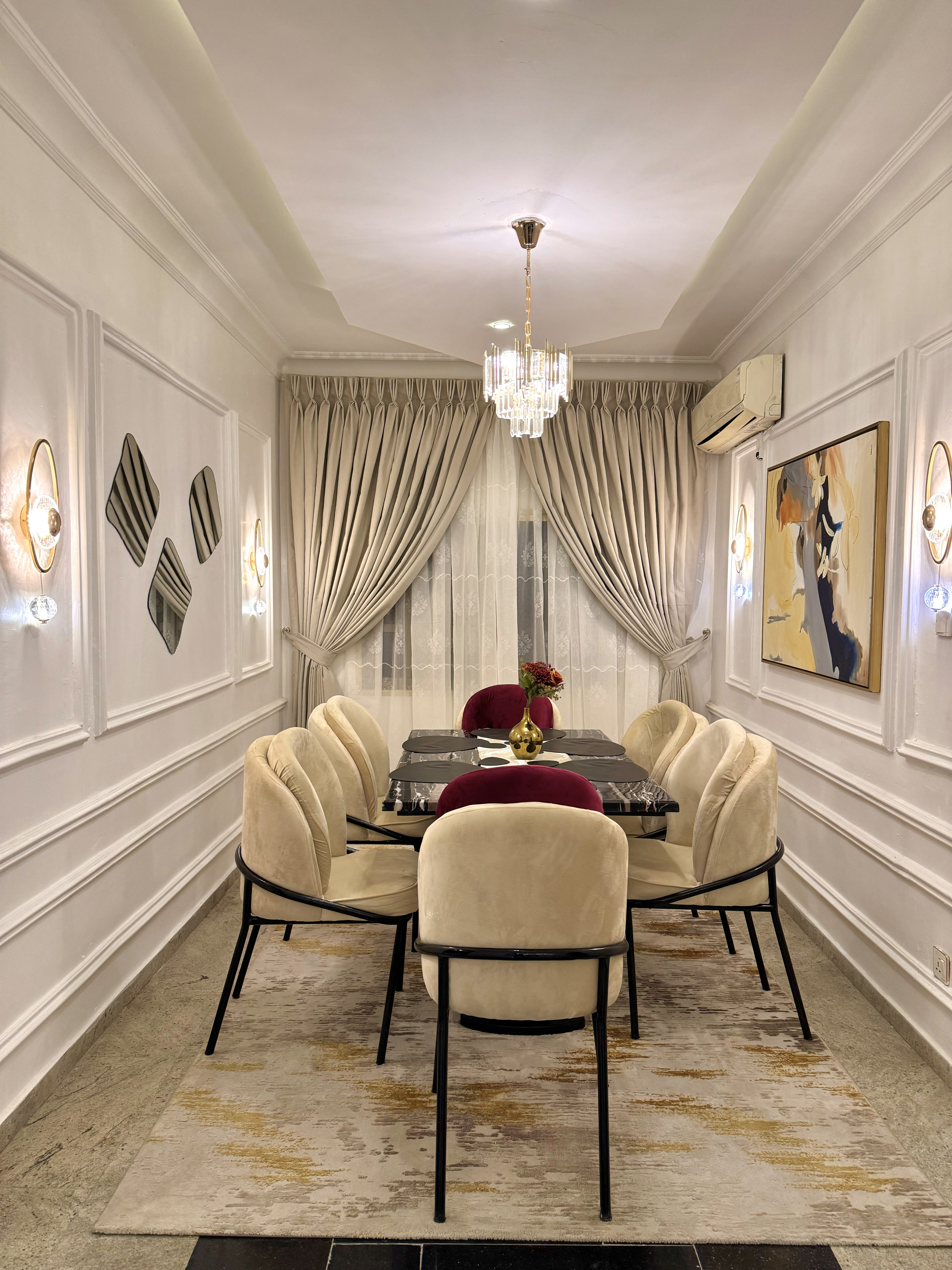
Warm, calm interior inspired by wellness-led design
Wellness · Journal 1 Jun 26, 2026 · 8 min read

Designing a Life of Wellness

"Wellness begins at home, long before the first cup of coffee or the first message of the day."

Most people think wellness starts with green juices, gym memberships, and morning routines. I disagree. Wellness starts much earlier than that. It starts with the environment you wake up in every day. Before you have had your coffee. Before you have checked your phone. Before you have made a single decision. Your home is already influencing how you feel.

The spaces we live in quietly shape our moods, our energy, our habits, and even our ability to rest. At Greys Design Hub, we believe a beautiful home is only the beginning. The real goal is creating a home that works for you.

A home that helps you breathe a little deeper after a difficult day. A home that encourages connection instead of distraction. A home that makes rest feel possible. Because design is never just visual. It is emotional.

Wellness-led design is not about creating a spa inside your house. It is about making thoughtful decisions that support everyday living: natural light, thoughtful layouts, comforting materials, practical storage, and furniture that supports the way you truly live.

Every project begins with a simple question: does this space support the life you are trying to live? Because a home should do more than impress visitors. It should support the people who return to it every day.

— A calm, restorative interior designed for everyday ease.

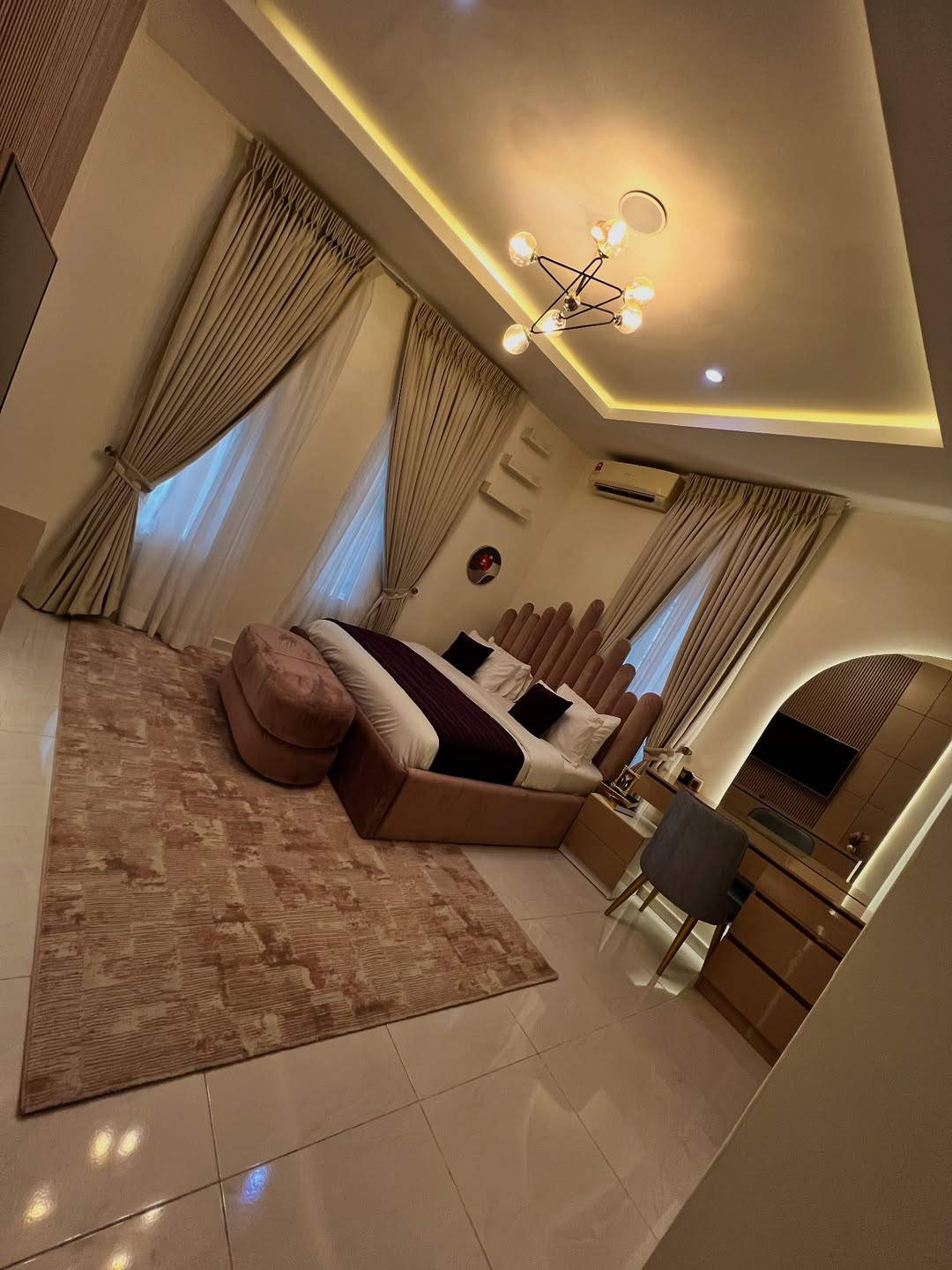
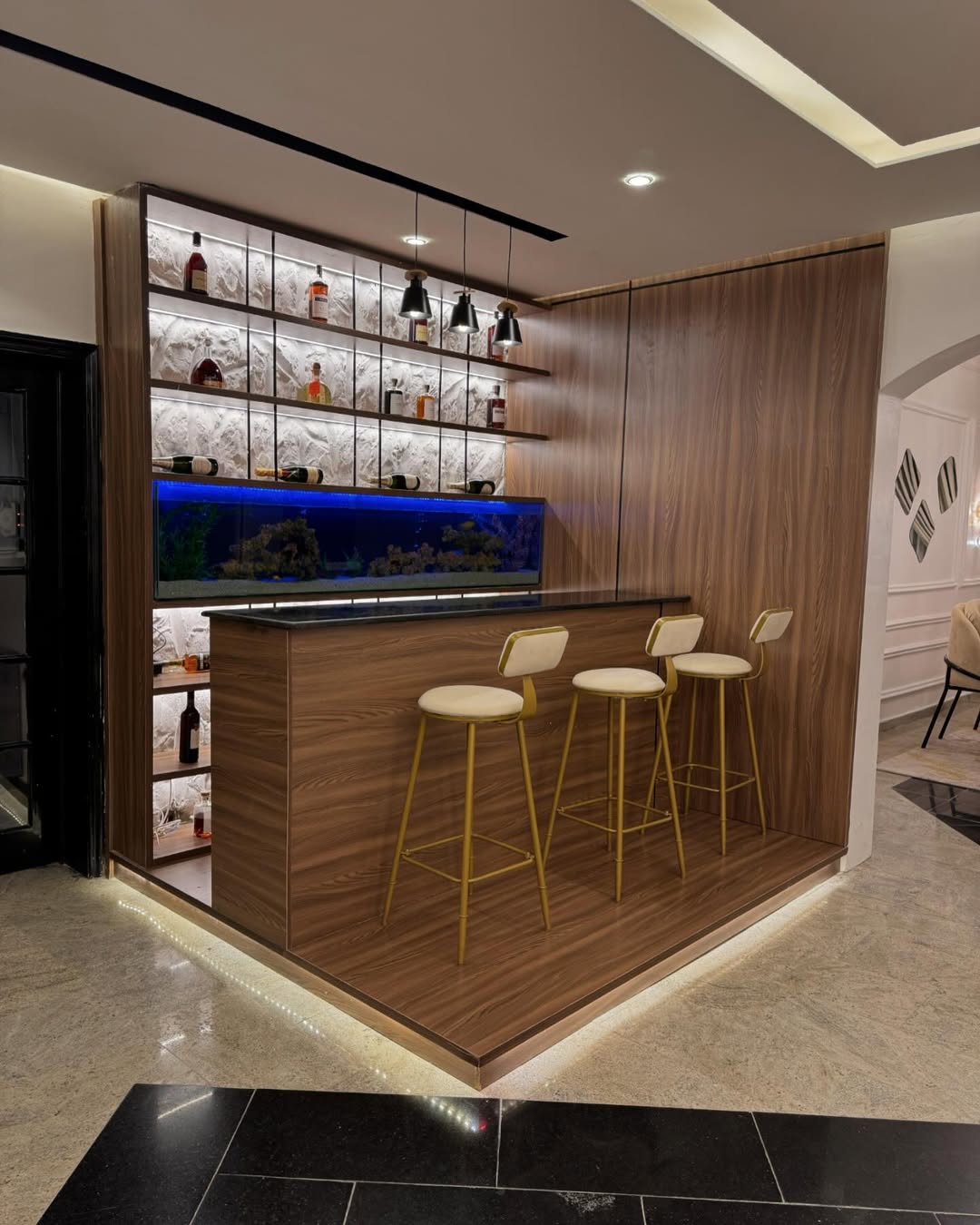
Refined interior with thoughtful storage and calm texture
Mindful Living · Journal 2 Jun 26, 2026 · 7 min read

The Psychology of Clutter

"Clutter is visual noise, and visual noise can quietly drain our energy."

Our brains are constantly processing information. Every object in a room competes for a small amount of our attention. When there is too much happening visually, our minds work harder to filter what matters and what does not. The result is mental fatigue, difficulty focusing, and a constant feeling that there is always something left to do.

Many people keep items because they have emotional value. Some objects remind us of memories, while others represent hopes for the future. Sometimes people keep things because they fear they may need them one day. Others find it difficult to let go because they spent money on the items. Although these reasons are understandable, keeping too many unnecessary possessions can create stress and make our homes feel overwhelming.

A tidy environment can reduce stress and anxiety, improve concentration, increase productivity, and create feelings of peace and comfort. Reducing clutter does not have to happen all at once. Small steps can make a big difference, such as organizing one room at a time, donating items you no longer use, creating storage solutions, avoiding unnecessary purchases, and developing daily cleaning habits.

— Intentional interiors make room for clarity and calm.

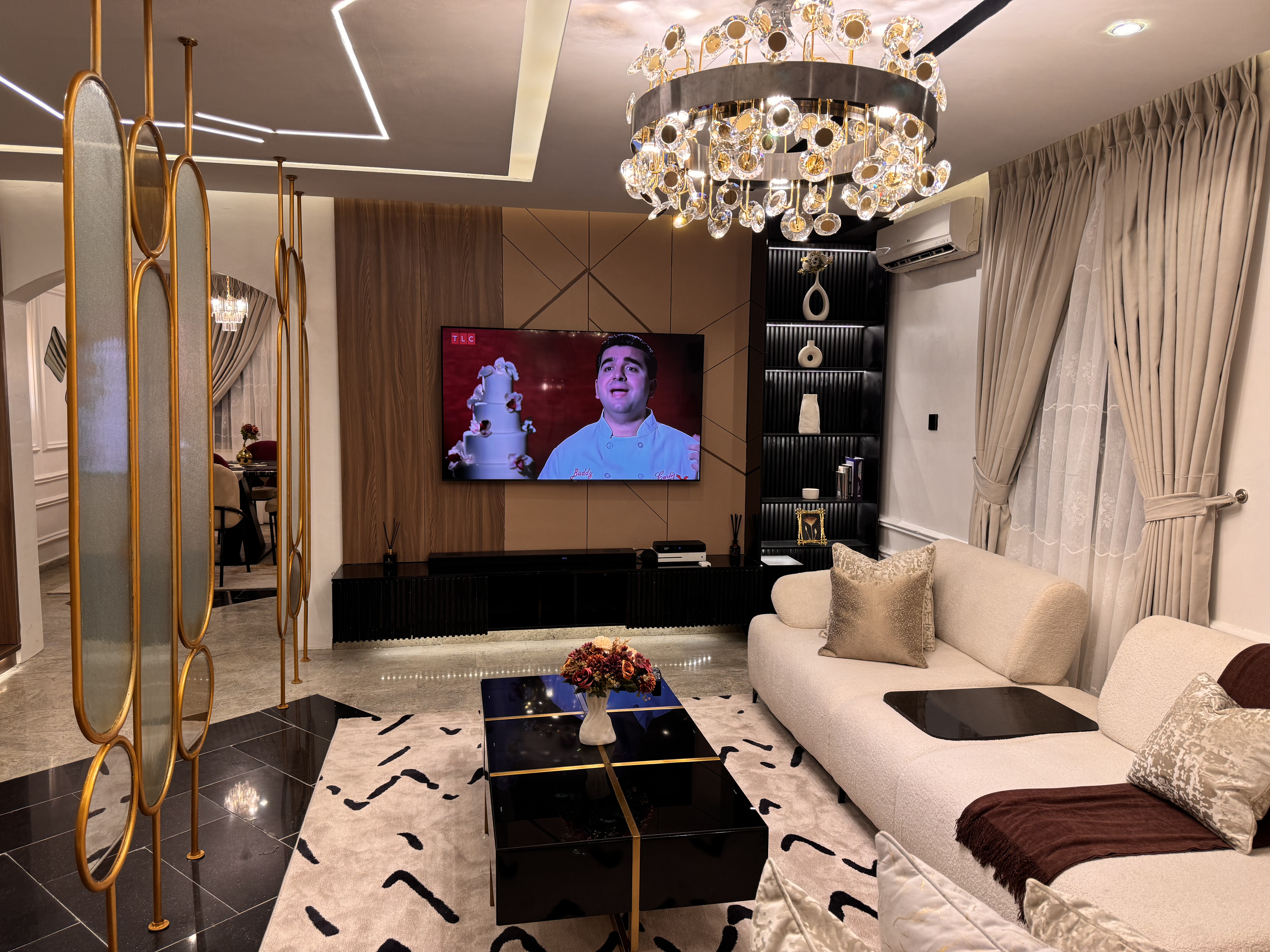
Soft, elegant interior that feels calm and restorative
Design Philosophy · Journal 3 Jun 26, 2026 · 6 min read

Designing for Calm in a World That Never Stops

"Modern life is loud, so calm must be designed with intention."

Notifications, traffic, deadlines, and constant demands on our attention make home one of the few places left to recover. Which raises an important question: does your home help you recharge, or does it add to your stress?

The most peaceful spaces are rarely accidental. They are designed with intention. The lighting, the layout, the colours, the textures, and even the amount of empty space all contribute to the emotional experience of a room. We experience our homes through more than our eyes: the softness of fabric, the warmth of natural light, the scent of fresh air, and the absence of visual clutter all shape how we feel every day.

One of the most underrated design tools is restraint. Not every wall needs to be filled, not every corner needs furniture, and not every trend deserves a place in your home. Calm often comes from creating space to think, to breathe, and to simply be.

At Greys Design Hub, we design homes that support emotional wellbeing as much as they support everyday living. We believe design should restore, not overwhelm. The goal is not perfection. The goal is creating an environment that feels aligned with the life you want to live. A place where your nervous system can finally exhale. A Final Thought Sometimes the thing standing between you and a calmer home isn’t a renovation. It’s a decision. A decision to remove what no longer serves you. To simplify. To create room for the life you’re growing into. Because peace often arrives before the redesign.

— Quiet luxury, shaped by restraint and intention.

Turning Offices into Productive Sanctuaries
Office · Journal Mar 28, 2026 · 4 min read

Turning Offices into Productive Sanctuaries

Practical tips for creating focused, comfortable office spaces that support wellbeing.

Thoughtful design can turn workspaces into calm, efficient, restorative places that help people feel grounded and productive.

— A workspace that supports both focus and wellbeing.

A Fresh Palette for Everyday Living
Residential · Journal Feb 14, 2026 · 5 min read

A Fresh Palette for Everyday Living

Our color study for a family home — balancing warmth, durability, and mood.

Color, texture, and everyday function come together to create a home that feels both beautiful and lived-in.

— A palette shaped by comfort and character.